Back to blog
Voice AI for ambient documentation: what clinical teams should expect
Neha KapoorPlatform Architect, Prodoc AI14 January 20268 min read
Voice AIAmbient DocumentationClinical WorkflowAIConsent
New: India's DPDP Act requires all healthcare providers to be compliant by May 2027. See how Prodoc helps.
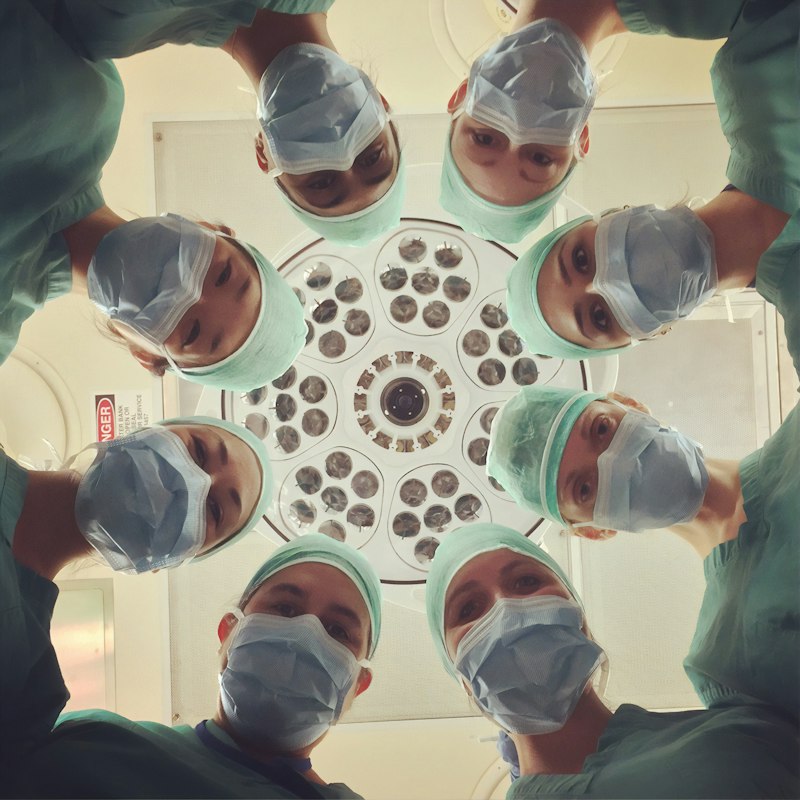
Ambient scribing works when it respects workflow, consent, and handoff, not when it adds another screen to manage.
Ask any OPD consultant what they dislike most about their day, and documentation ranks near the top. The consultation itself may take ten minutes. The note-writing, coding, and EMR navigation that follows can take longer.
Hospitals have tried templates, voice dictation, and scribe programmes. Each reduces the burden partially. Templates speed up common cases but fail on complex presentations. Dictation requires a separate step after the consultation. Human scribes are effective but expensive and difficult to scale.
Ambient documentation — AI that listens during the consultation and generates a structured clinical note — promises to eliminate the post-consultation documentation step entirely. The promise is real, but implementation details determine whether clinicians adopt it or abandon it.
The most common failure mode for ambient documentation is treating it as a standalone app. The clinician opens a separate interface, starts recording, conducts the consultation, stops recording, reviews the note, copies it into the EMR, and adjusts formatting.
This adds steps rather than removing them. Adoption drops because the net workflow improvement is zero or negative.
Successful implementations embed ambient capture into the existing consultation flow. Recording starts when the encounter begins in the EMR. The generated note appears in the documentation field the clinician already uses. Review and approval happen in context, not in a separate application.
Patients must know they are being recorded. Ambient documentation without explicit consent creates legal, ethical, and trust problems that can undermine the entire programme.
Best practice is a clear, standardised consent moment at the start of the consultation: the clinician explains that AI assists with note-taking, the patient agrees, and the consent is recorded in the encounter metadata.
Patients who understand the purpose — that recording helps the doctor focus on them rather than a screen — generally accept. Patients who discover recording without explanation do not. Transparency is not optional.
AI-generated clinical notes are drafts, not final records. Clinicians must review every note before sign-off. The system should highlight sections where confidence is low — medication names, dosages, anatomical terms — so reviewers focus attention where it matters.
Structured output matters as much as accuracy. A narrative paragraph is less useful than a note with identifiable sections: chief complaint, history of present illness, examination findings, assessment, and plan. EMR integration should preserve this structure.
Handoff quality depends on what the next clinician sees. If ambient notes are clear, structured, and consistently formatted, the treating team's continuity of care improves. If they are verbose, unstructured, or contain AI hallucinations, trust erodes quickly.
Year one is adoption, not perfection. Expect 70–80% note completeness with clinician review catching the remaining gaps. Expect resistance from senior consultants who have documented their way for decades. Expect IT integration work to take longer than the AI vendor promised.
Measure adoption by active users, notes generated, and edit rates. High edit rates initially are normal — they indicate clinicians are reviewing rather than blindly signing. Edit rates should decrease as the model learns specialty-specific patterns.
Voice AI for ambient documentation is not a replacement for clinical judgment. It is a tool that returns consultation time to clinicians by handling the administrative burden of note-writing. Hospitals that set this expectation — and integrate it into existing workflows with consent-first design — see the adoption and satisfaction numbers that justify the investment.
Talk to our team about patient acquisition, OPD, IPD, and retention workflows for your hospital.